

Science
Why Study Science?
Study in the sciences provides the foundation for understanding the material world. Scientific understanding is changing our lives and is vital to the world’s future prosperity. All students should learn essential aspects of the knowledge, methods, processes and uses of science. They should gain appreciation of how the complex and diverse phenomena of the natural world can be described in terms of a small number of key ideas that relate to the sciences and that are both inter-linked and of universal application.
Science aims to stimulate our natural curiosity in finding out why things happen in the way we do. It teaches methods of enquiry and investigation to stimulate creative thought.
Aims and Objectives
The aims and objectives of Science are to enable all children to apply:
● the use of conceptual models and theories to make sense of the observed diversity of natural phenomena
● the assumption that every effect has one or more cause
● knowledge that science progresses through a cycle of hypothesis, practical experimentation, observation, theory development and review

Biology
Biology is the study of living organisms, divided into many specialized fields that cover their morphology, physiology, anatomy, behaviour, origin, and distribution.

Chemistry
Chemistry is the study of matter, it’s properties, how and why substances combine or separate to form other substances, and how substances interact with energy.
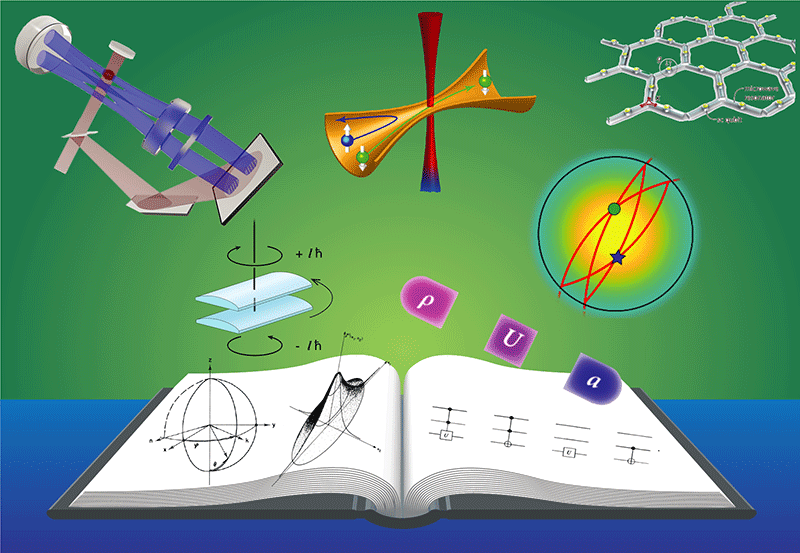
Physics
Physics is the branch of science concerned with the nature and properties of matter and energy. The subject matter of physics includes mechanics, heat, light and other radiation, sound, electricity, magnetism, and the structure of atoms.